
Last updated September 19, 2026
Full 25-point door and opener safety check with every visit - springs, cables, rollers, tracks, and your LiftMaster or Chamberlain opener included
You get a price before we start. It does not change when the truck arrives.
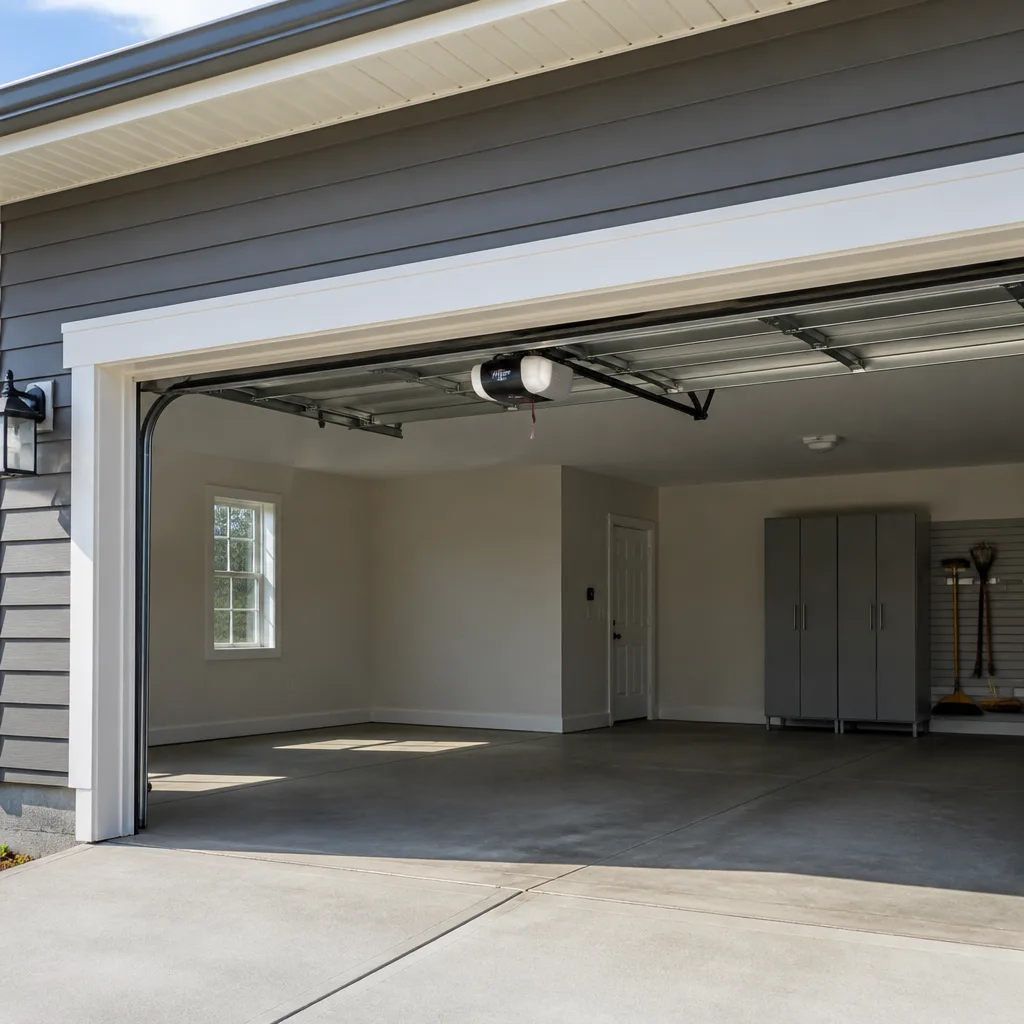
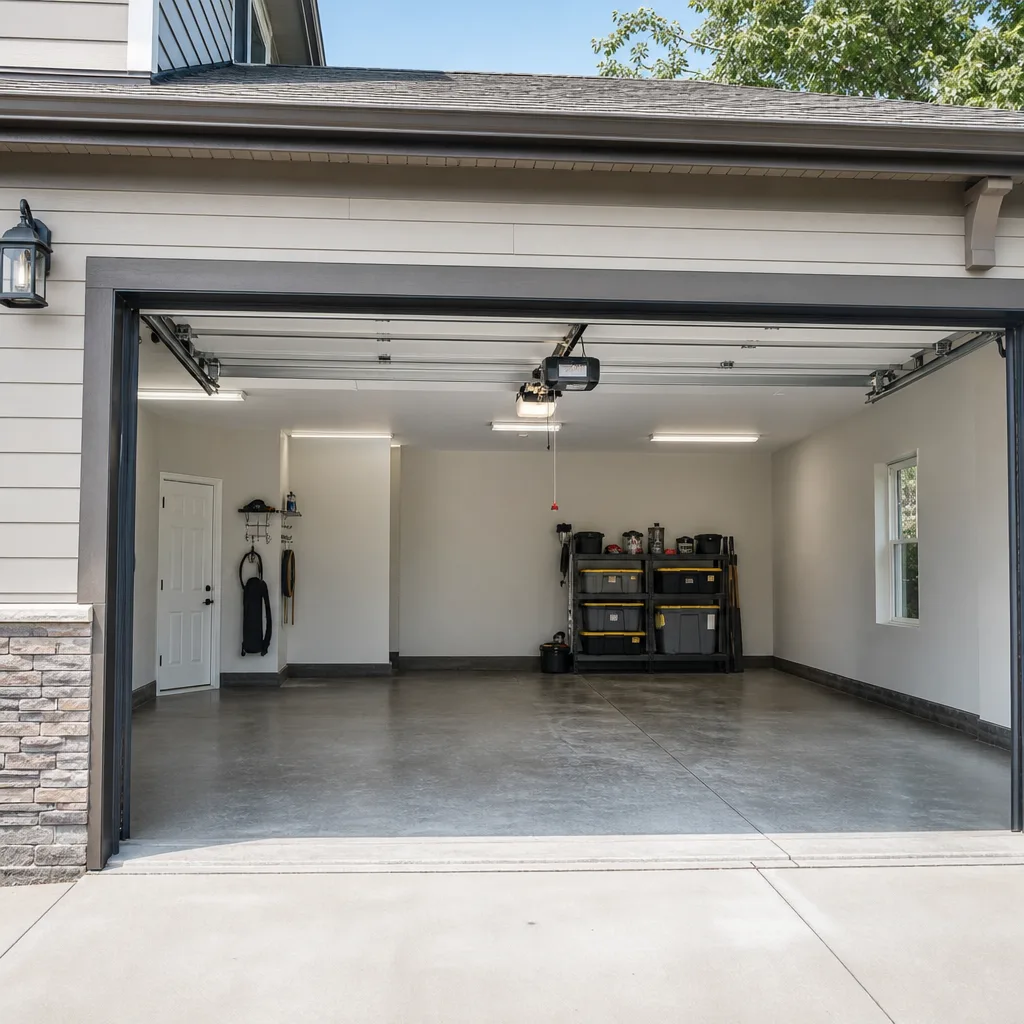
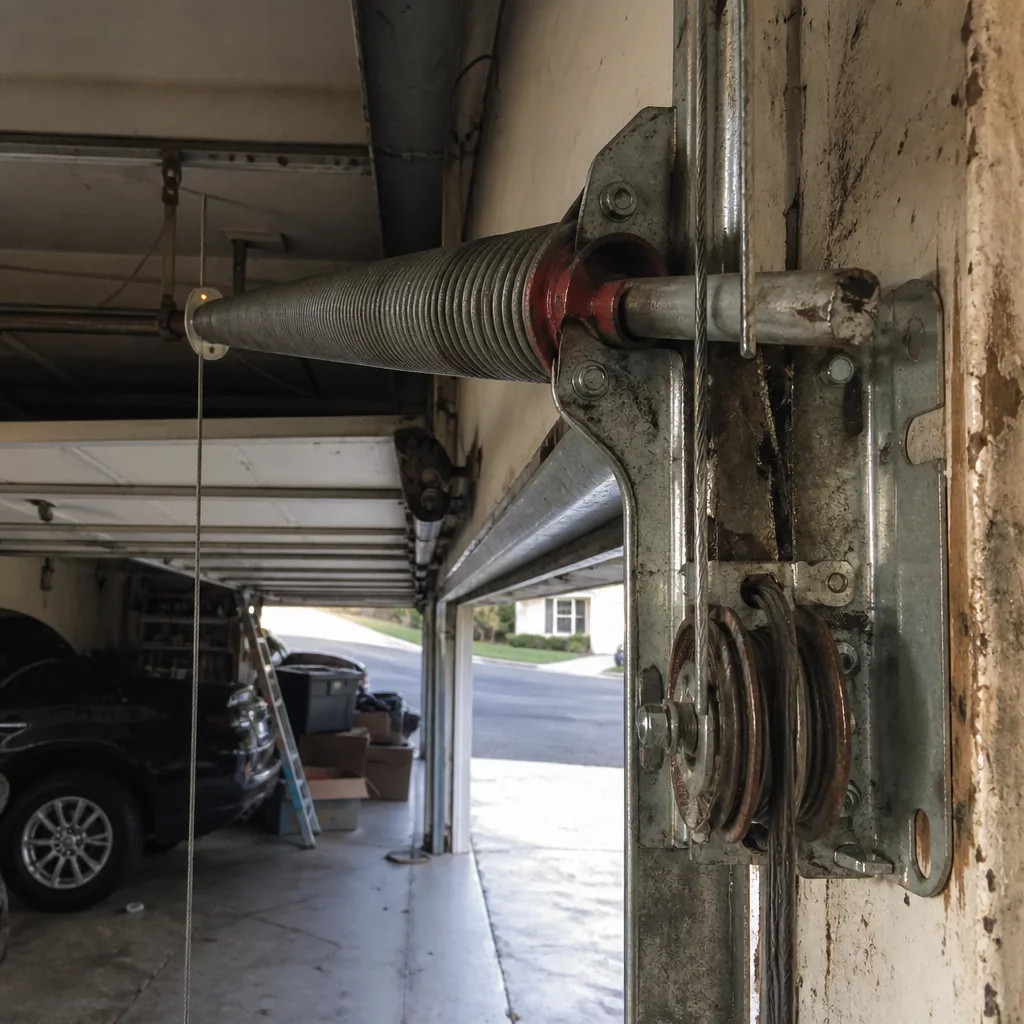 Before
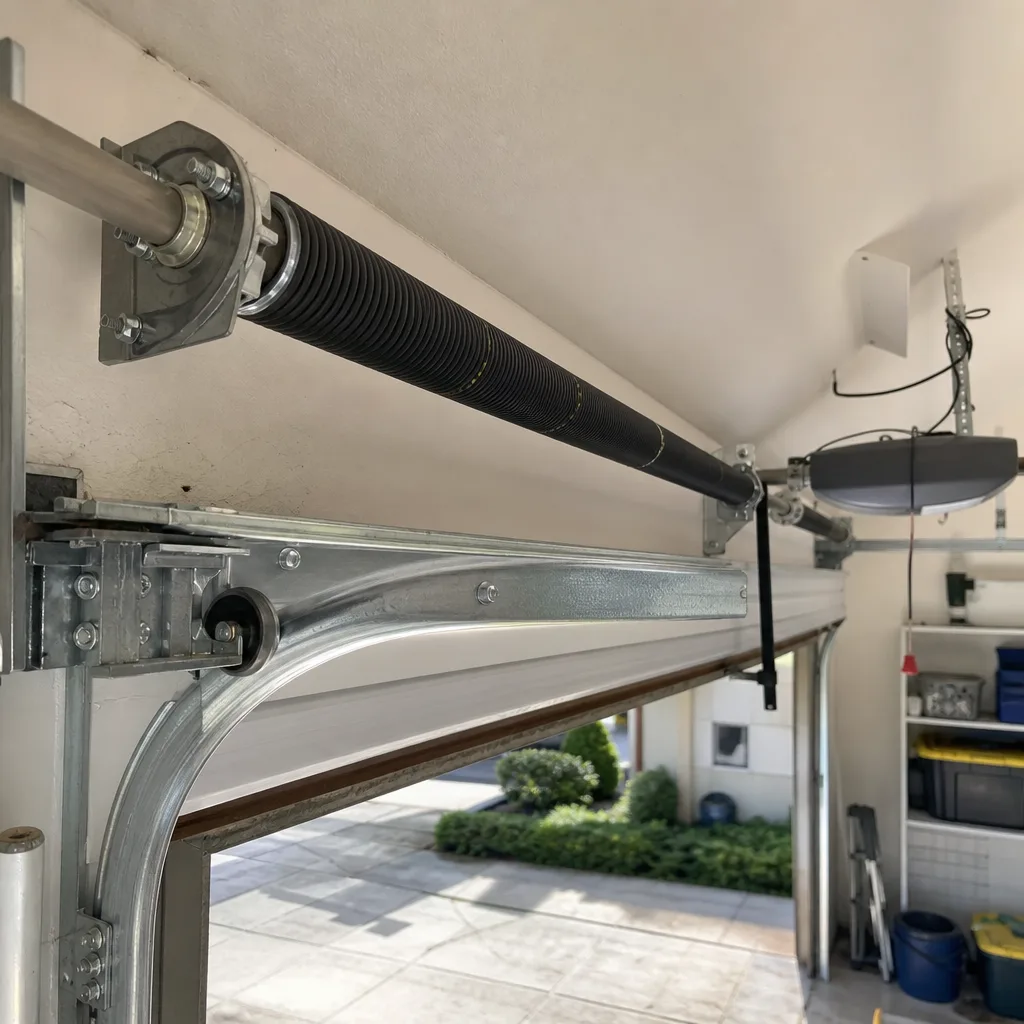 After
After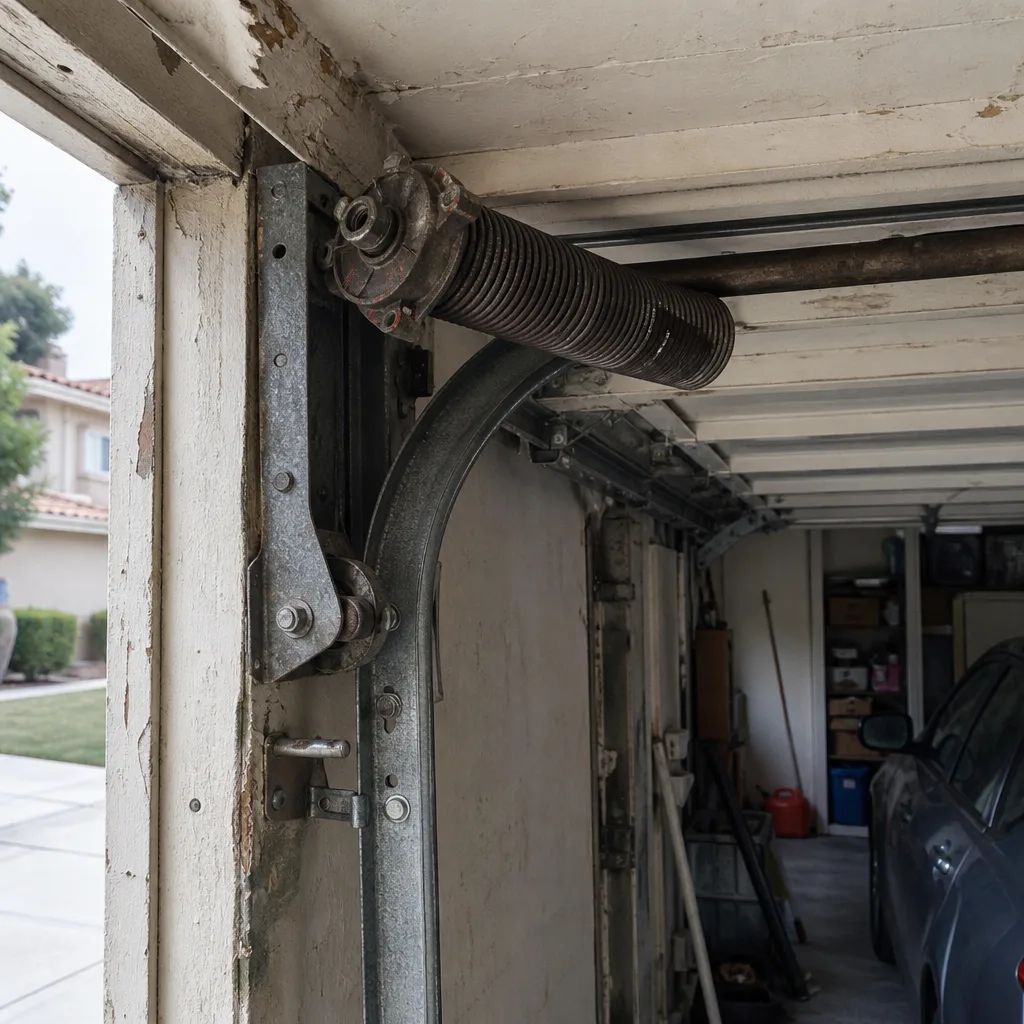 Before
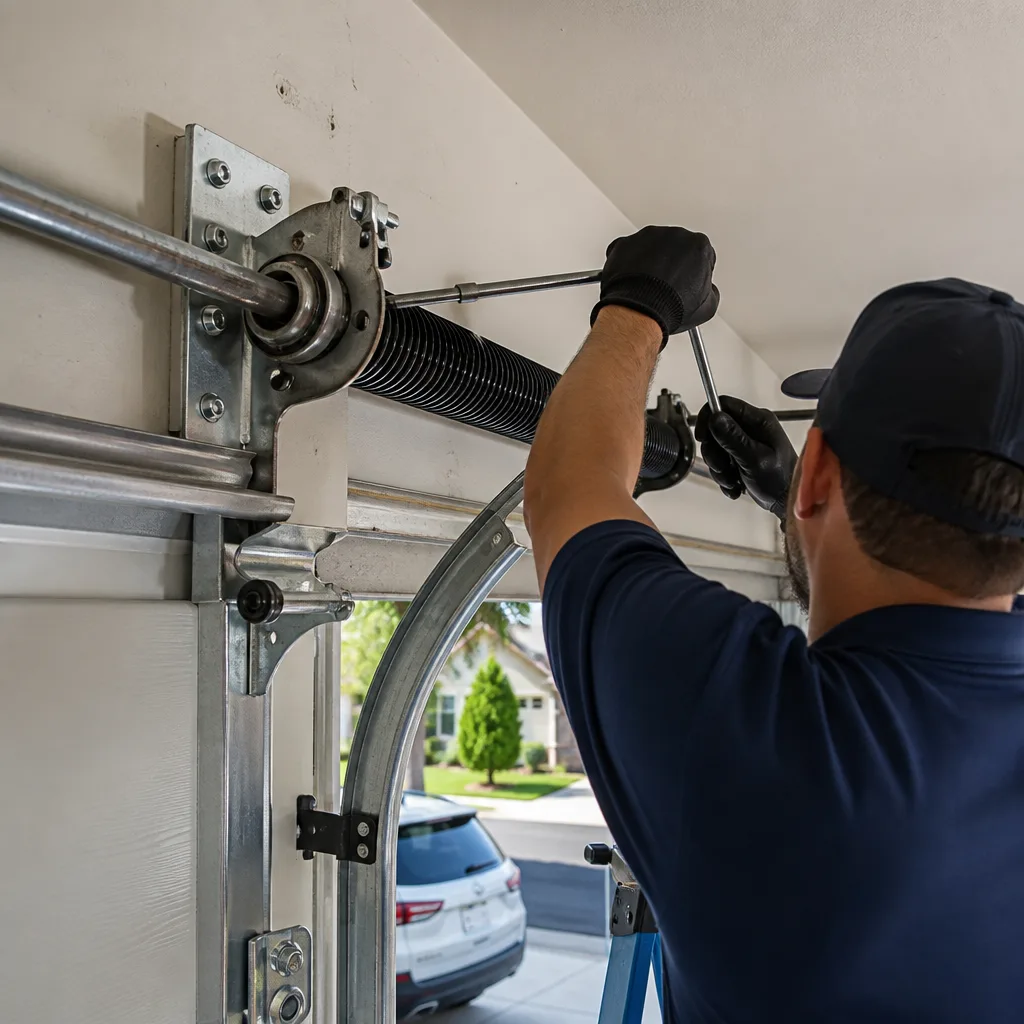 After
AfterGarage Door Permits, Codes & Inspections in CA: What You Need to Know
Most California homeowners assume replacing a garage door is like replacing a water heater: when it dies, you swap it. That assumption is expensive. In Irvine, a garage door swap walks a narrow line between “routine repair” and “unpermitted structural work,” and the determining factor is not what the door looks like. It’s whether the opening changes. This guide maps the exact line: what triggers a City of Irvine building permit under California Residential Code Section R105.2, what the inspector checks, how UL 325 applies to any new opener you install, and why your HOA’s approval letter is not a permit. By the end, you’ll know which side of the line your project sits on, what leaving a paper trail looks like when the work is done right, and where to find more guides & resources.
Quick Answer
Replacing an existing garage door with a new one of the same size and operation type in Irvine typically does not require a building permit. Modifying the structural opening, adding a new electrical circuit for an opener, or installing a door on an ADU or garage conversion generally does. A permit, when required, runs through Irvine Community Development, and every new opener installed in California must be UL 325 compliant.
Table of Contents
- The Exact Permit Threshold in Irvine: CRSC R105.2 Explained
- ADU and Garage Conversion Rules: Why These Almost Always Trigger a Permit
- UL 325 Compliance in California: What It Means for Your Opener
- HOA Approval vs. City Permit: The Distinction That Trips Homeowners
- What the Irvine Inspector Checks: Three Items on a Permitted Garage Door Installation
- How the Irvine Plan-Check and Permit Process Works
- What Permits and Inspections Cost in Irvine
- Common Mistakes to Avoid
- When to Call a Professional
- Frequently Asked Questions
- The Bottom Line
BeforeAfterThe Exact Permit Threshold in Irvine: CRSC R105.2 Explained
California Residential Code Section R105.2 lists the work that is exempt from permit requirements. Item 2 under that section exempts “ordinary repairs” that do not affect the structure, electrical, plumbing, or mechanical systems of the residence. Replacing a garage door panel-for-panel with the same track dimensions and the same operation type falls under this ordinary repair exemption in most California jurisdictions, including Irvine. You are not changing the building envelope. You are swapping a worn component for an equivalent component.
The permit trigger appears the moment the work leaves “ordinary.” Here is the practical breakdown we use with homeowners across Irvine neighborhoods like Woodbridge, Northwood, and Quail Hill, drawn from our Garage Door Warning Signs: A Irvine Homeowner’s Reference Guide:
- Same-size door, same operation type, existing track reused or replaced in-kind: No permit required in Irvine. This is a repair, not a modification.
- Same-size door, but you change from a swing-out to a sectional roll-up: Permit may be required. The operation type change can affect how the door loads on the header and jambs, which moves it out of the ordinary repair category.
- You widen or heighten the opening: Permit required. This is a structural modification to the braced wall line, and it triggers plan-check for header sizing and shear wall continuity under CRC Section R602.
- New electrical circuit added for an opener where none existed: Permit required for the electrical work under California Electrical Code. Replacing an opener on an existing receptacle does not require one.
The City of Irvine enforces this through its Community Development Department, not through the contractor’s say-so. If a contractor tells you “we never pull permits for this,” that is not a statement about code. It is a statement about their risk tolerance, and one reason to consult our How to Hire a Garage Door Contractor in Irvine: A Step-by-Step Guide. The risk sits with you: unpermitted structural work appears on title when you sell, and insurance adjusters do check permit status when a claim touches the garage.
We’ve seen the aftermath repeatedly. In one Turtle Rock home, a previous owner widened a garage opening by 18 inches without a permit. The buyer’s home inspection flagged it, the lender conditioned the loan on retroactive permitting, and the seller paid roughly three times what the original permit would have cost in plan-check fees, corrections, and an expedited inspector visit. The door itself was fine. The paper trail was the problem.
For most homeowners replacing a door in Irvine, the honest answer is: you likely do not need a permit. But you should confirm that with the city before the old door comes off the track, not after the contractor is gone, and follow our Garage Door Repair Maintenance Checklist for Irvine Homeowners. A two-minute call to Irvine Community Development settles it.
If you need repair or replacement guidance specific to your door, our Garage Door Repair in Irvine page covers the practical side of what fails and what replacement costs look like.
ADU and Garage Conversion Rules: Why These Almost Always Trigger a Permit
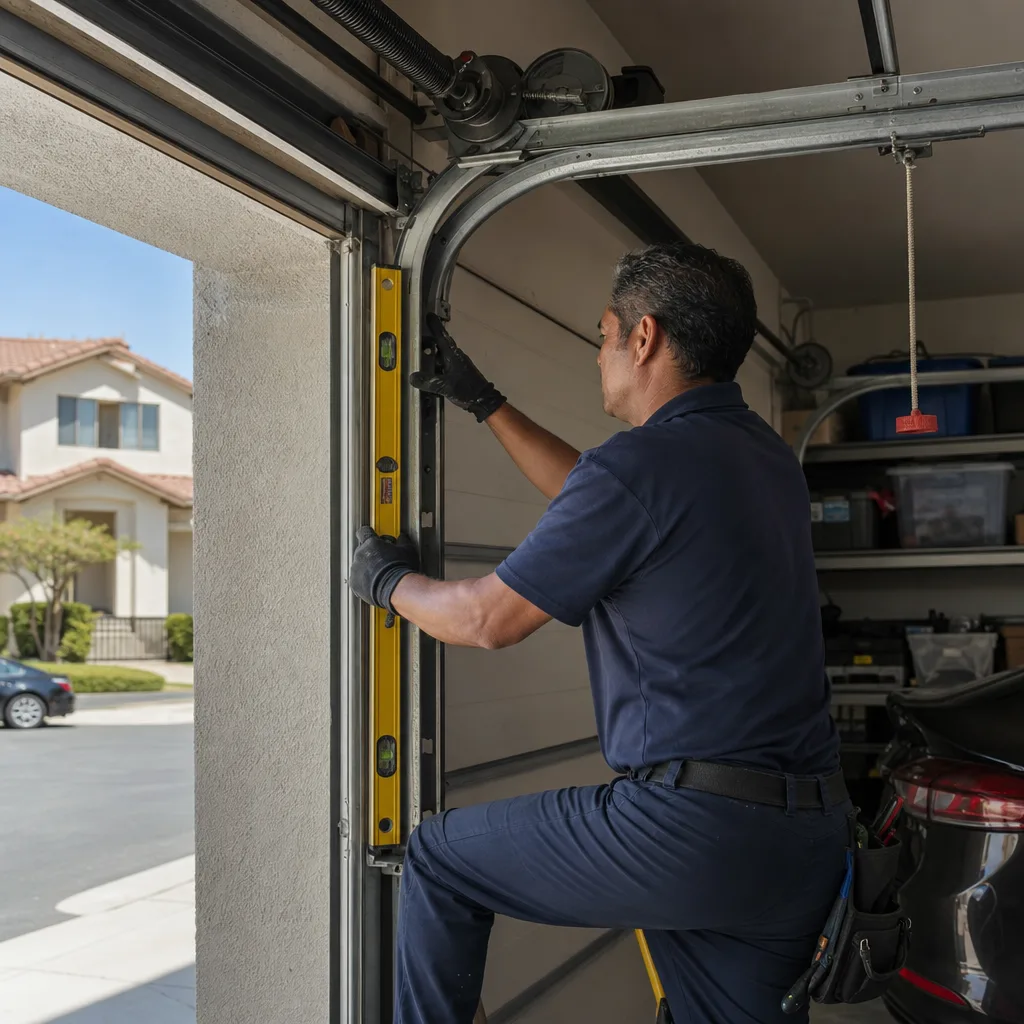
Accessory dwelling units changed the permit calculus for garage doors across California, and Irvine is no exception. When a detached garage becomes a dwelling unit, or when a new ADU is constructed with a garage bay, the garage door is no longer a cosmetic feature. It becomes a building envelope component on a habitable structure, and California’s ADU statute plus the Irvine zoning code treat it accordingly.
Here is the specific interaction most homeowners miss. A traditional single-family garage door falls under the residential code’s ordinary repair exemption. But an ADU’s garage door sits on a structure that must meet Title 24 energy code, fire separation requirements, and ventilation standards that a standalone garage was never asked to meet. The door’s insulation rating, weatherstripping, and flame-spread characteristics now matter. That pushes even a like-for-like door replacement out of the repair category and into plan-check.
For garage conversions in Irvine, the situation is inverted but equally regulated. When a garage becomes living space, the existing overhead door opening is typically filled in with a wall. That infill work is structural and always requires a permit. What catches homeowners off guard is the reverse: if you are converting back, or if you are adding a garage door to a structure that previously did not have one, you are creating a new opening in a bearing wall. That is CRC Section R602.9 territory, header sizing included. There is no repair exemption available because there is nothing to repair. You are building.
The plan-check path for ADU garage doors in Irvine runs through Irvine Community Development. Expect to submit a site plan, structural drawings for any header changes, and a door schedule showing the make, model, insulation R-value, and UL 325 compliance for the operator. Review time on simple door replacements tied to an ADU addition typically runs two to three weeks, but complex conversions can take longer.
If you are planning an ADU project that includes a garage door, the door decision should happen during drawing, not after framing begins. Moving the opening even six inches after plans are approved means a revision cycle that costs time and plan-check fees. We work directly with owners and their architects on door specifications during the drawing phase, so the hardware matches the plans before the plans go to the city. Our team at Servo Garage Doors Irvine home has handled ADU door specs across more than a decade of Irvine construction cycles.
UL 325 Compliance in California: What It Means for Your Opener
UL 325 is a federal safety standard, but California applies it with particular force because the state adopted it directly into the California Electrical Code and Title 24. The short version: every residential garage door opener sold or installed in California must meet UL 325 entrapment protection requirements. The longer version involves photo eyes, force settings, and a reversal system that is tested to work within two seconds of sensing an obstruction.
The current UL 325 standard, which has applied since 2016 with subsequent revisions, requires that every new opener include two independent entrapment protection systems:
- A photo eye sensor mounted no higher than six inches off the floor, wired to the opener’s logic board, that reverses the door if the beam is broken while the door is closing.
- A force-sensing reversal system that monitors motor resistance and reverses the door when it encounters an object that the photo eye did not catch, such as a child’s bicycle placed directly under the door’s path but off the beam line.
These are not features. They are the minimum standard for any opener any licensed contractor may install in California. When a door opener fails, a permitted installation includes proof that both systems were tested after installation and that the test was documented. Our technicians photograph the photo eye placement and the force-setting test result before they leave the job. Clause 4 of The Haven Standard requires the customer to see evidence of what was found and what was done, and on opener replacements, that includes proof of entrapment-protection verification.
Homeowners replacing an opener themselves should know two things. First, openers sold by major brands including LiftMaster, Chamberlain, and Genie are UL 325 compliant out of the box if purchased new from an authorized supplier. Second, compliance depends on correct installation. A photo eye mounted too high, wired into the wrong terminal, or bypassed entirely because the homeowner found the alignment finicky is not compliant, regardless of what the box says.
If your opener predates 1993, it is worth knowing that it predates the photo eye mandate entirely. Replacing it is not an upgrade project. It is a safety correction. For a breakdown of current opener options and what replacement entails, see our Garage Door Opener Repair & Installation in Irvine page.
HOA Approval vs. City Permit: The Distinction That Trips Homeowners
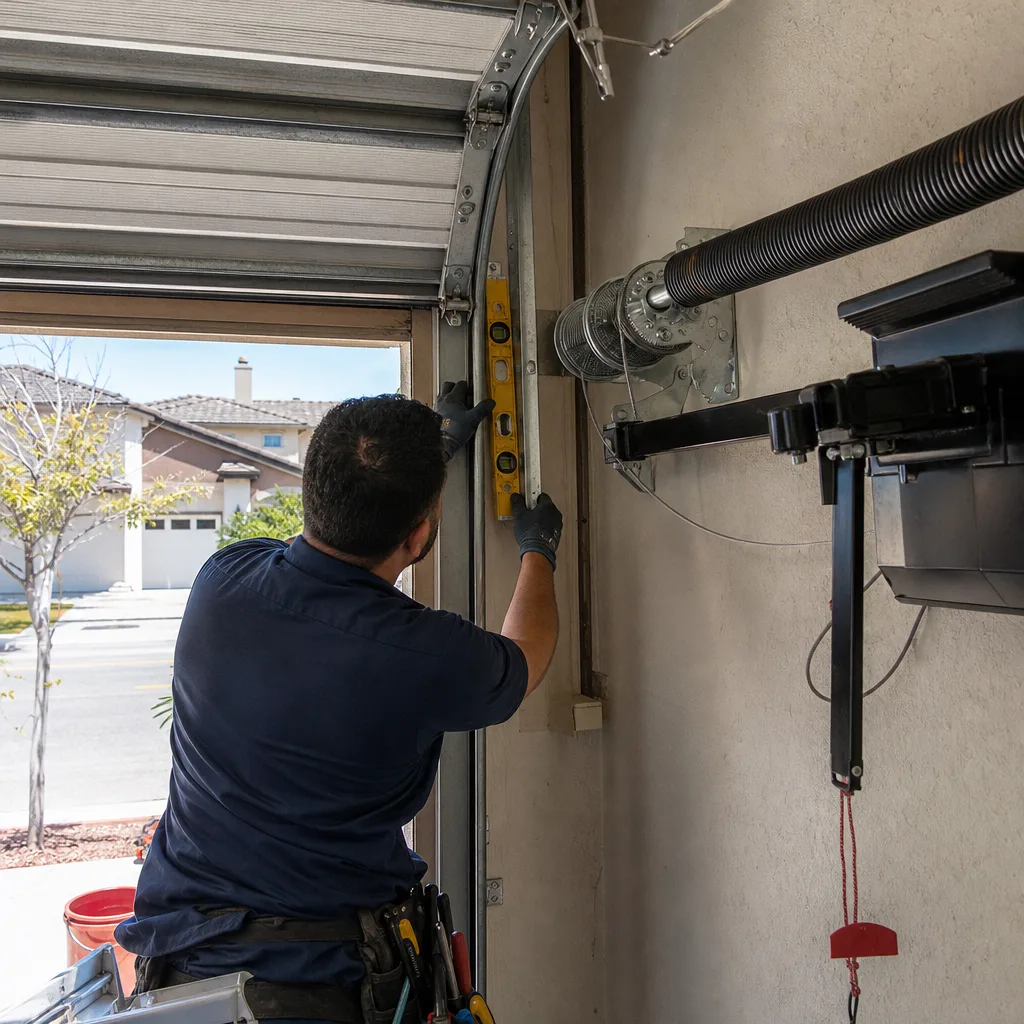
Irvine has one of the highest HOA participation rates of any city in California. Communities like Woodbridge, Westpark, Great Park, and Portola Springs all maintain architectural review committees that regulate what homeowners may change on their exteriors, including garage doors. That approval process is real, and violating it carries genuine consequences: fines, forced reversal of the work, and in extreme cases, liens.
But an HOA approval is not a permit, and a permit is not an HOA approval. The two processes exist in separate legal universes. The HOA’s architectural committee is enforcing private covenants, conditions, and restrictions (CC&Rs). The City of Irvine’s Community Development Department is enforcing public building code. Satisfying one does not satisfy the other, and neither body will grant you an exemption because the other signed off.
Here is the practical sequence we recommend for Irvine homeowners in an HOA:
- Determine whether the work requires a city permit using the threshold test from the first section of this guide.
- Submit the project to your HOA’s architectural review committee regardless of whether a permit is required. Irvine HOAs routinely regulate garage door color, material, window configuration, and panel style, even when the replacement is functionally identical.
- If a city permit is required, submit to Irvine Community Development. Attach the HOA approval letter if you have it. The city does not require HOA approval, but including it prevents the city from issuing permits that violate your CC&Rs, which can create a legal mess later.
- Schedule the work only after both approvals are in hand. Running them in parallel saves weeks compared to sequential review.
The common failure mode is treating HOA approval as sufficient. It is not. An unpermitted structural change in an Irvine home will appear on a title report when you sell. The HOA’s blessing will not remove it. If you are uncertain which agency governs which part of your garage door project, ask both. They will both answer. The answer may be different, and you need to satisfy both.
What the Irvine Inspector Checks: Three Items on a Permitted Garage Door Installation
When a garage door installation in Irvine does require a permit, the job is not finished when the door is hung. The permit closes only after the city inspector signs off, and the inspector’s checklist is narrower than most homeowners expect. Here are the three items an Irvine building inspector verifies on a permitted garage door installation:
- Fastener schedule at the track and header. The inspector confirms the track brackets are attached to structural framing, not drywall or trim, using the fastener type and spacing shown on the approved plans. On sectional doors in areas with wind requirements, this includes verifying the additional header fasteners specified for wind load are present. Irvine sits outside the high-velocity wind zones of the California coast, but plan-specific fastener requirements still apply when an engineer specified them.
- UL 325 compliance on the operator. If the permit covers a new opener installation or a new opener circuit, the inspector checks that the photo eye sensors are mounted at the required height, the reversing function operates correctly, and the opener bears the UL listing mark. This is a functional test: the inspector will place an object in the door’s path and confirm reversal within the two-second window.
- Fire separation, only if the garage is attached or the door serves an ADU. California code requires a fire-rated separation between a garage and habitable living space. In practice, this means the door between garage and house must be solid-core or rated, and any penetrations through the shared wall must be sealed. On an ADU garage door, the inspector verifies the door assembly meets the fire rating called out in the plans. This is a plan-check item that shows up at inspection only because someone specified it during the drawing phase.
The inspection typically takes under twenty minutes. Failures happen most often on item one: fasteners into drywall because the framer left an edge condition the trim carpenter patched over. A good installer checks the track attachment points before the door panels go up, which is why we photograph the framing at each bracket location before mounting. The photo record from every Servo visit means you see the attachment points, not just hear about them.
Once the inspector approves, the permit is finaled and closed. Keep the finaled permit document with your home records. It is the proof future buyers and their title companies will ask for, and it is what converts an unpermitted-work liability into a closed-out code-compliant asset.
How the Irvine Plan-Check and Permit Process Works
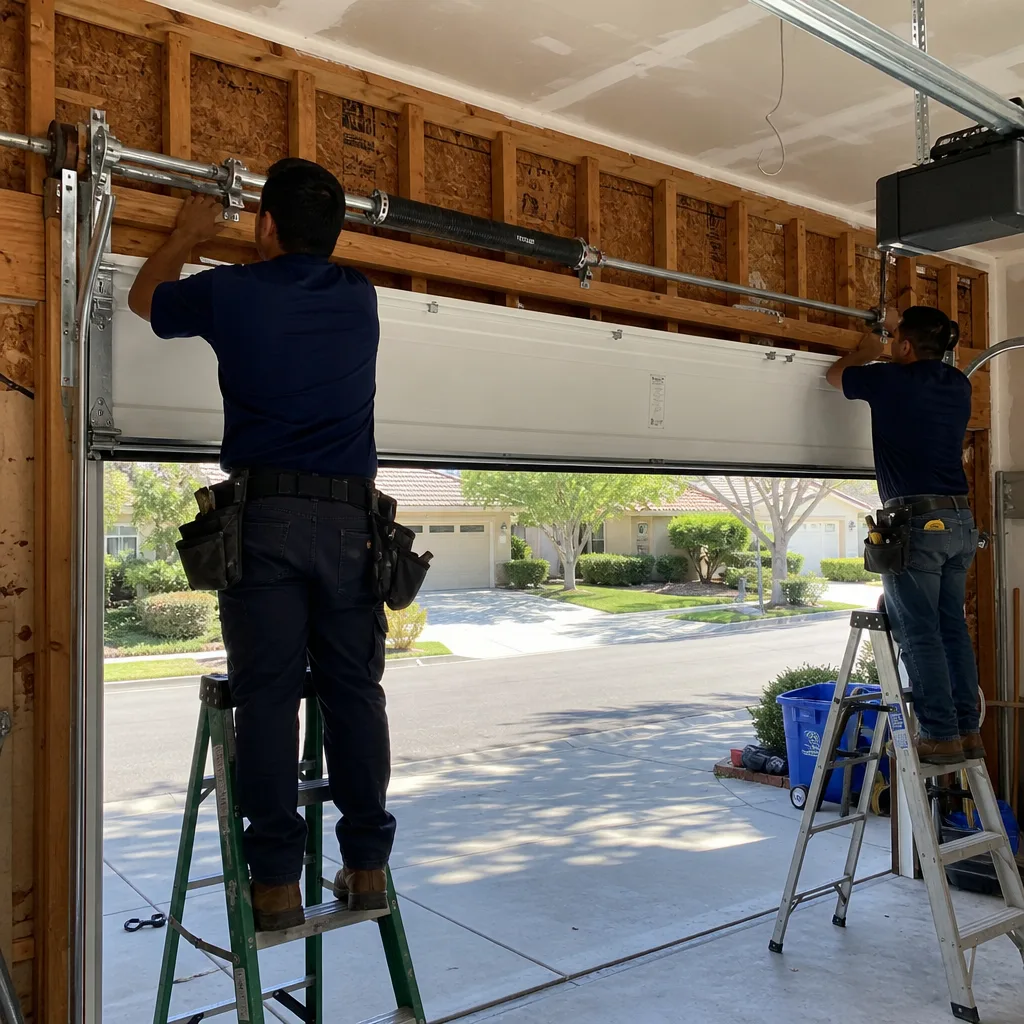
For the small subset of garage door projects in Irvine that do require a permit, understanding the process before you start saves weeks of schedule drift. Here is the sequence, step by step, as it applies to a typical permitted garage door installation or structural modification in Irvine:
- Determine permit requirement. Call Irvine Community Development or visit the permit counter at City Hall. State the scope: door size, operation type, whether the opening changes dimension, whether electrical work is involved. Get a yes or no in writing or by email reference. Verbal answers are worth the paper they are printed on, and they are not printed.
- Prepare plan set, if required. For structural opening changes, you will need drawings showing header sizing, shear wall elements, and fastener schedule. A licensed contractor or structural engineer prepares these. For simple door replacements requiring a permit only because of an ADU or electrical trigger, the plan set is simpler, but the drawing standard does not change.
- Submit to Irvine Community Development. Plan review for simple residential projects in Irvine typically runs five to ten business days. Complex structural changes or ADU-integrated work can take three to four weeks. You will pay plan-check fees at submission. These fees are separate from the permit issuance fee.
- Address corrections, if issued. The plan checker will issue corrections in writing. Respond to each item directly. This is paperwork, and it moves faster when the response is organized and responsive to the exact comment.
- Pull the permit. Once plans are approved and fees are paid, the permit is issued. The permit document includes the inspection schedule and the approved plan set, which must be on site during inspection.
- Complete the work and schedule inspection. The permit will list the required inspections. For garage door work, it is usually a single final inspection covering the three items described in the previous section. Schedule it through the Irvine online portal or by phone.
- Close the permit. The inspector signs off, the permit is finaled, and you receive a final inspection record. File it with your home documentation.
The fees involved are modest relative to the project. Permit fees for a simple garage door replacement with electrical are typically in the $150 to $300 range in Irvine. Plan-check fees for structural work add $200 to $500. The total is a small fraction of the door installation cost, and it buys the finaled permit that protects the home’s title status and your insurance position if the garage is later involved in a claim.
What Permits and Inspections Cost in Irvine
The cost of compliance in Irvine is small, predictable, and almost always less than the cost of non-compliance discovered later. Here is the breakdown:
- Routine garage door replacement, no permit: $0 in city fees. This is the common case for same-size, same-operation door swaps on existing single-family homes.
- Simple permit for opener electrical circuit addition: $150 to $250, including electrical permit and one inspection.
- Structural permit for garage opening modification: $350 to $550 for plan check and permit issuance, not including engineering drawings, which run $500 to $1,200 depending on scope.
- ADU or garage conversion integrated garage door permit: $400 to $800, usually included within the broader ADU permit fees but itemized separately for the door work.
- Reinspection fee, if the first inspection fails: Varies by city fee schedule. In Irvine, reinspection fees are typically under $150. Properly prepared work rarely fails.
None of these figures include the door itself. For a full picture of what the door, hardware, and installation cost in the Irvine market, our Garage Door Installation in Irvine page lists current pricing ranges with the same no-quote-games approach we use on every job. The permit line item is visible there too, when it applies.
Common Mistakes to Avoid
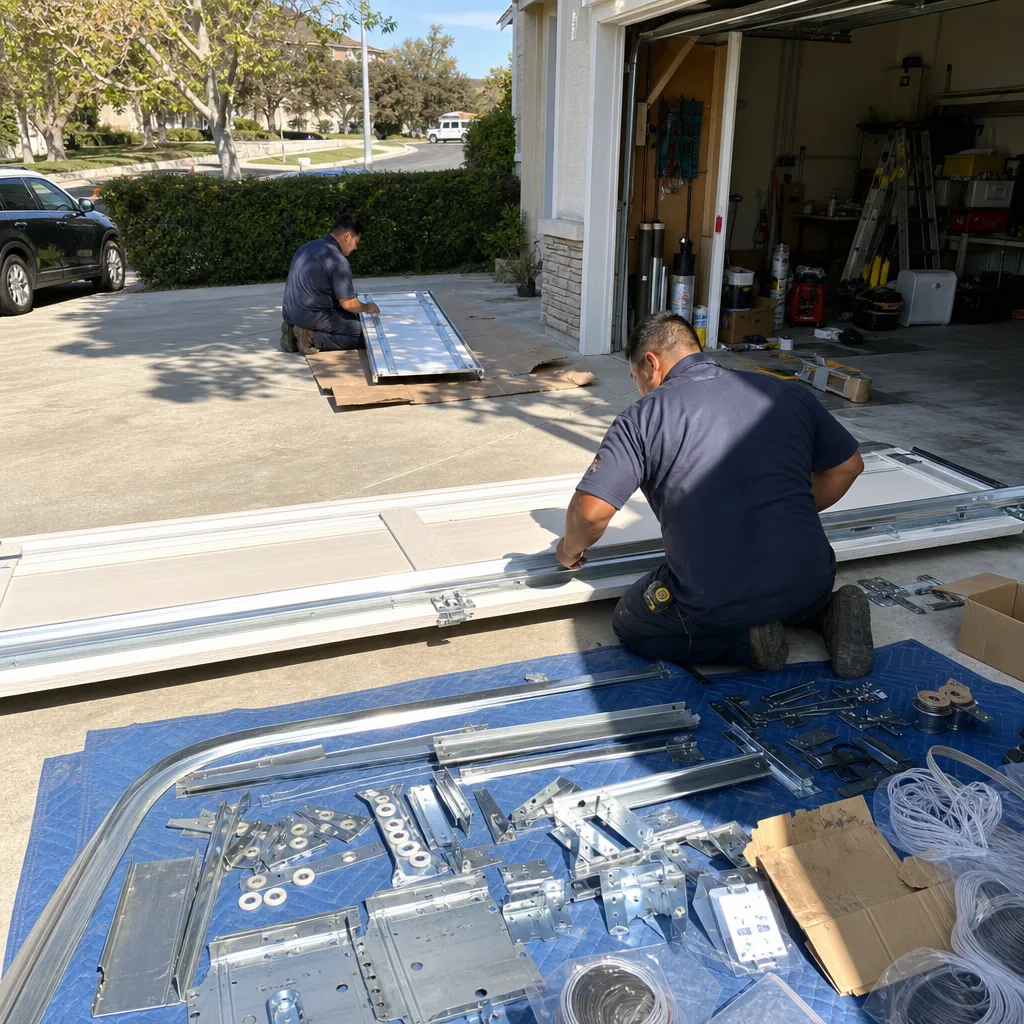
- Assuming a same-size door never needs a permit. In Irvine, a same-size replacement is usually exempt, but if the door is on an ADU or the project includes a new opener circuit, the calculus changes. The city gets the final word, not the homeowner and not the contractor.
- Using HOA approval as a stand-in for a city permit. An architectural approval from your Irvine HOA says your door color and style are acceptable. It says nothing about structural code compliance. The two processes run separately, in parallel.
- Enlarging a garage opening without plan-check. Widening or heightening a garage opening is structural work on a braced wall line. Header sizing, shear considerations, and fastener schedules are all code-governed. Skipping the permit on this is the most expensive mistake we see on Irvine title reports.
- Buying a used opener and assuming compliance. A used opener may be UL 325 compliant if it was manufactured after the standard took effect and was installed correctly. It may also have a failed photo eye or a bypassed safety system. Used openers are a gamble no one should take on a door that can injure a child.
- Letting the contractor decide unilaterally whether a permit is required. A contractor who says “we don’t pull permits for this” is making a statement about their process, not about Irvine building code. Call the city yourself. The phone call is free and the answer is authoritative.
- Failing to keep the finaled permit document. The final inspection sign-off is the proof that the work is code-compliant and closed out. Without it, future buyers may treat the work as unpermitted even if it was permitted and inspected. Keep the paper.
When to Call a Professional
Most garage door replacements in Irvine do not require a permit, and many homeowners can navigate the HOA approval process on their own. But a few situations call for professional help before the door comes off the track: when the opening dimensions are changing, when the project involves an ADU or garage conversion, when the door is fire-rated on an attached garage, or when a previous owner left you with unpermitted work that needs to be corrected and title-cleared. In those cases, the professional you need is a licensed contractor who will document what was found, quote a written price before touching anything, and produce the paper trail the city and your future buyer will expect. Servo Garage Doors Irvine home is independently owned and operated under The Haven Standard. We offer free estimates in Irvine. Call (949) 569-5773.
Frequently Asked Questions
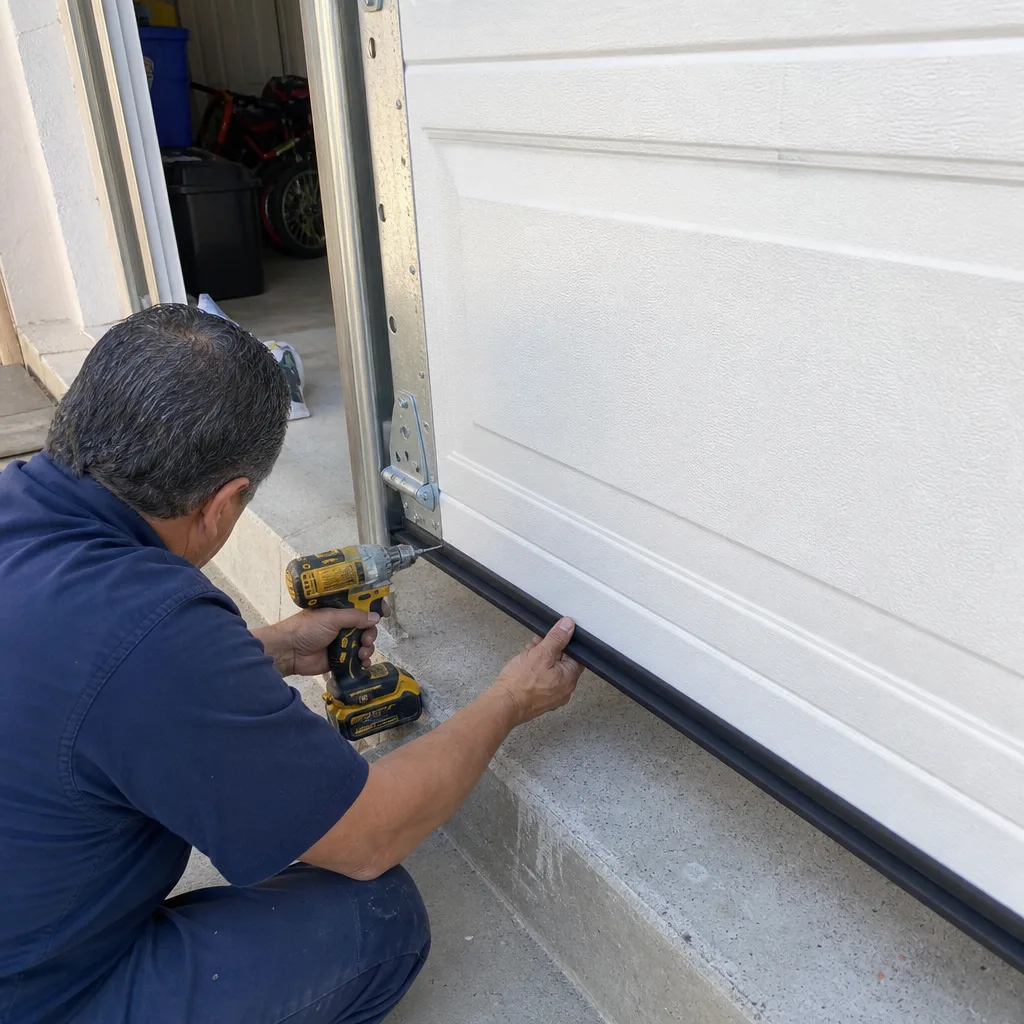
In most cases, no. Replacing an existing garage door with a new door of the same size and same operation type is classified as an ordinary repair under California Residential Code Section R105.2 and does not require a City of Irvine building permit. The exception applies when you change the opening dimensions, change the operation type, add a new electrical circuit for an opener, or install the door on an ADU or garage conversion. Call Irvine Community Development at (949) 569-5773 to confirm your specific scope before work begins.
No, an HOA architectural approval and a City of Irvine building permit are separate requirements that serve different legal purposes. The HOA enforces private covenants on appearance; the city enforces public building code on safety and structure. You must satisfy both independently. If your project requires a city permit, the HOA approval letter should accompany your permit application so the city does not issue a permit that conflicts with your CC&Rs.
UL 325 is the federal safety standard for automatic garage door openers, and California has adopted it into both the Electrical Code and Title 24. It requires every new opener to include two independent entrapment protection systems: a photo eye sensor mounted within six inches of the floor and a force-sensing reversal mechanism. Every opener sold by LiftMaster, Chamberlain, and Genie in California today is UL 325 compliant when installed correctly. Our technicians verify both systems are working before they finish any opener installation.
Unpermitted structural work appears on a title report when you sell, and lenders routinely condition loans on retroactive permitting. In one Turtle Rock sale we observed, an unpermitted garage opening enlargement cost the seller roughly three times what the original permit would have cost in plan-check fees, corrections, and expedited inspections. The repair itself was executed fine. The missing paper trail was the liability. For exact quote on permitted work from a contractor who documents everything, call (949) 569-5773.
An Irvine building inspector verifies three things on a permitted garage door installation: the fastener schedule at the track and header attachment points, UL 325 compliance on the operator including a functional reversal test, and fire separation between the garage and habitable space when the garage is attached or serves an ADU. The inspection typically takes under twenty minutes. Failures most often stem from track brackets fastened into drywall instead of structural framing.
You can install a same-size replacement door on your own single-family home without a permit under the ordinary repair exemption. What you cannot do is install a door on an ADU, modify the opening, or add an opener circuit without a permit, and you cannot skip HOA review even when the city permit is not required. The safety note worth stating plainly: torsion springs are under hundreds of pounds of tension. A trained professional should handle spring work on any door. If you replace the door yourself, consider having a licensed contractor handle the spring installation and tensioning.
The Bottom Line
The permit question for garage doors in Irvine is not complicated once you understand the single governing distinction. A same-size, same-operation replacement is a repair, and repairs are exempt under California Residential Code Section R105.2. Changing the opening, adding electrical, or working on an ADU moves the project into structural or new-work territory, and it triggers plan-check, permit, and inspection. The HOA runs its own parallel track, and UL 325 governs every opener installed in the state. The cost of compliance is modest. The cost of skipping it is a title report item that does not go away. When the work is done correctly, you walk away with a finaled permit, a photo record, and a door that leaves no questions for the next buyer to ask.
Written by Marcus Deller, Owner at Servo Garage Doors Irvine, serving Irvine since 2015.